
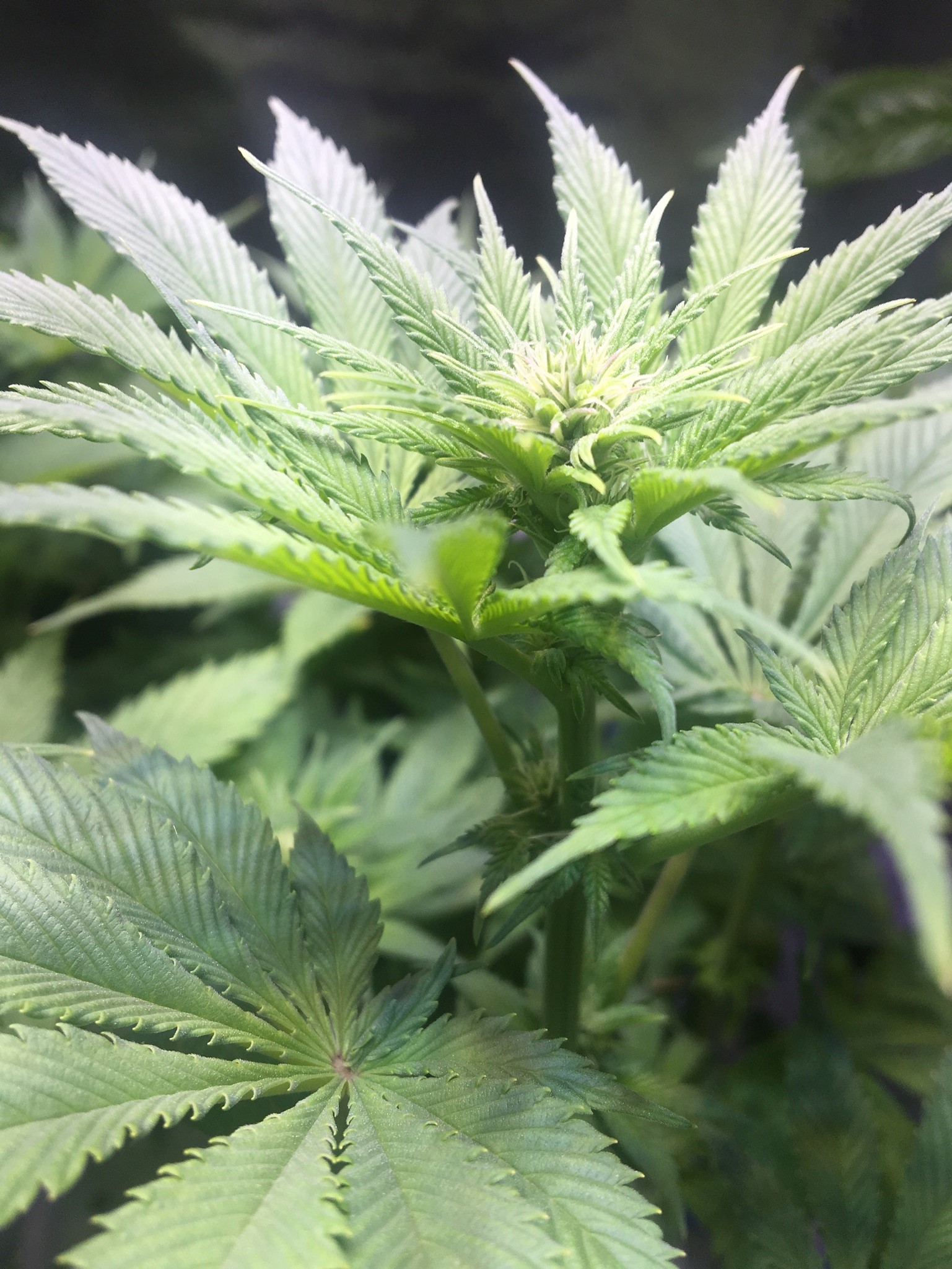
| Marijuana use in adolescence may pose risks |
 |
| (Morsa Images/Getty Images) |
| Full Story: HealthDay News (12/23) |
Even Occasional Pot Use During Adolescence Linked to Academic and Emotional Struggles
A large national study finds adolescents who use pot—even just once or twice a month—are more likely to struggle academically and emotionally.
The study analyzed survey responses from more than 162,000 U.S. students in grades 8, 10, and 12 between 2018 and 2022.
About 26% of the kids reported some marijuana use. Roughly 5% said they used the drug almost daily, about 4% weekly and close to 5% monthly. Another 13% said they weren’t current users.
Marijuana use was linked to two- to five-times higher odds of low academic achievement, along with higher odds of impulsivity, aggression, anxiety, distress, and low self-esteem.
Researchers say these negative associations were seen across all levels of use, including noncurrent and infrequent or monthly use.
Younger adolescents—under age 16—appeared especially vulnerable to academic and emotional effects.
The authors say early adolescence is a sensitive time for brain development, and marijuana use may affect things like impulse control and self-regulation.
They add that it’s important to identify teens who use the drug — even if it’s only occasionally.
Source: Pediatrics
Author Affiliations: Columbia University, New York-Presbyterian Hospital/Weill Cornell Medicine, Boston Children’s Hospital, Harvard Medical School