|
Your Cup of Tea Could Contain Billions of Microplastics From One Source
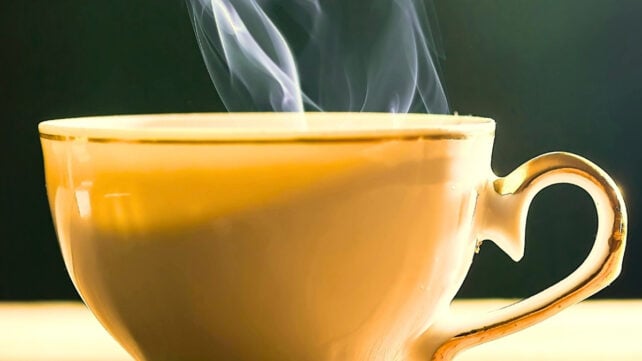
We know that microplastics are leaking into our drinks from bottles, beverage cups, and packaging, and now researchers have shown that plastic kettles can contribute to our daily intake of plastics, too.
The team behind the study, led by researchers from the University of Queensland (UQ) in Australia, wants to see warning labels attached to these kettles and clearer instructions about how to minimize the risk of ingesting plastics with these products.
Based on chemical analysis of water from eight polypropylene kettles, the first boil in one of these kettles can release almost 12 million nanoparticles of plastic per milliliter from the inner surface of the kettle.
That’s about 3 billion particles in your average cup of tea, before you take tea bags into consideration, which have previously been found to release billions of microplastics of their own.
“Boiling water in plastic kettles is a daily routine for millions of people worldwide and we have found this simple habit can release tiny plastic particles into the water we use every day,” says chemical scientist Elvis Okoffo, from UQ.
“This study provides evidence that plastic kettles can be a source of daily human exposure to nanoplastics and microplastics, and that new plastic kettles release notable concentrations of these particles into water during boiling.”
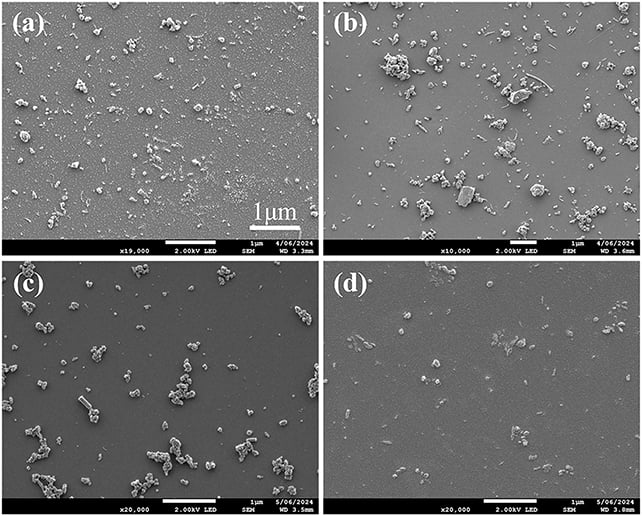
Nanoplastics are even smaller than microplastics; this study measured both after successive boils using two different kettles and different types of water.
The researchers found that they could reduce the concentration of plastic particles released into the water in two ways.
First, by using hard tap water, which contains more minerals. The researchers think that boiling hard water creates a limescale coating on the inside of the kettle that traps the plastics in place.
Second, by repeated boiling: Plastic shedding had dropped considerably after 10 boils and was down to very low but still detectable levels by the 50th one.
Even though plastic levels declined, they still measured 820,000 nanoparticles per milliliter by the 150th boil, so around 205 million particles in each standard cup.
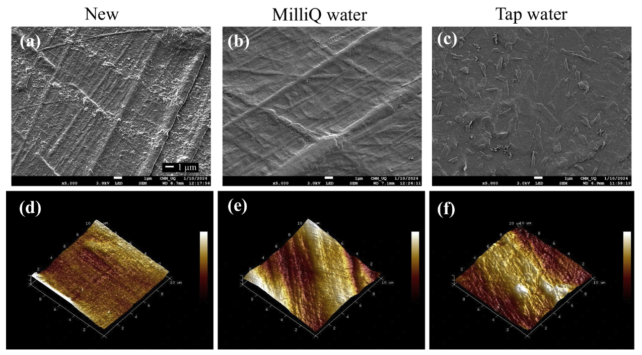
That points to one tactic you can use to reduce the risk of swallowing nanoplastics and microplastics: boil and discard the water a few times before making your first hot drink.
Some manufacturers recommend this in the bundled instructions that come with new kettles, but Okoffo says warnings could be clearer.
“The study fills an important knowledge gap about how plastic products used in homes can contribute to daily plastic exposure and how small, practical changes in everyday routines can reduce exposure to plastics,” says Okoffo.
“Simple rinsing before first use is common, but it does not achieve the same level of removal as repeated cycles of boiling and discarding. Many people may overlook or skip this step, highlighting the need for clearer product labelling and instructions.”
You may wonder just how dangerous these plastics are for us. Scientists aren’t exactly sure yet, though having little plastic particles floating around our insides is unlikely to be beneficial.
Past studies have linked microplastic ingestion to health problems, such as gut and lung issues, and neurodegenerative diseases such as Parkinson’s. Plastics might even carry pathogens or bacteria, potentially increasing the risk of infectious diseases.
Research continues to assess just how toxic these tiny plastic particles might be, as do efforts to find ways to remove them from food and drinks – and to stop them from entering the environment in the first place.